
When the clocks are set back every October for daylight saving time, it means that sunset occurs earlier in the day, leading to longer evenings and darker nights. Adjusting your lighting serves several important purposes to help us adjust to the shorter daylight hours during the autumn and winter months.
Changing your lighting when the clocks go back is about optimising your environment for safety, comfort and well-being as well as taking energy efficiency into consideration. Maintaining visibility is the most obvious reason to ensure adequate lighting both inside and outside as the days get darker earlier. Safety and security are enhanced when outdoor areas are well lit to help deter intruders and to help you see clearly when walking to and from your home in the darker evenings.
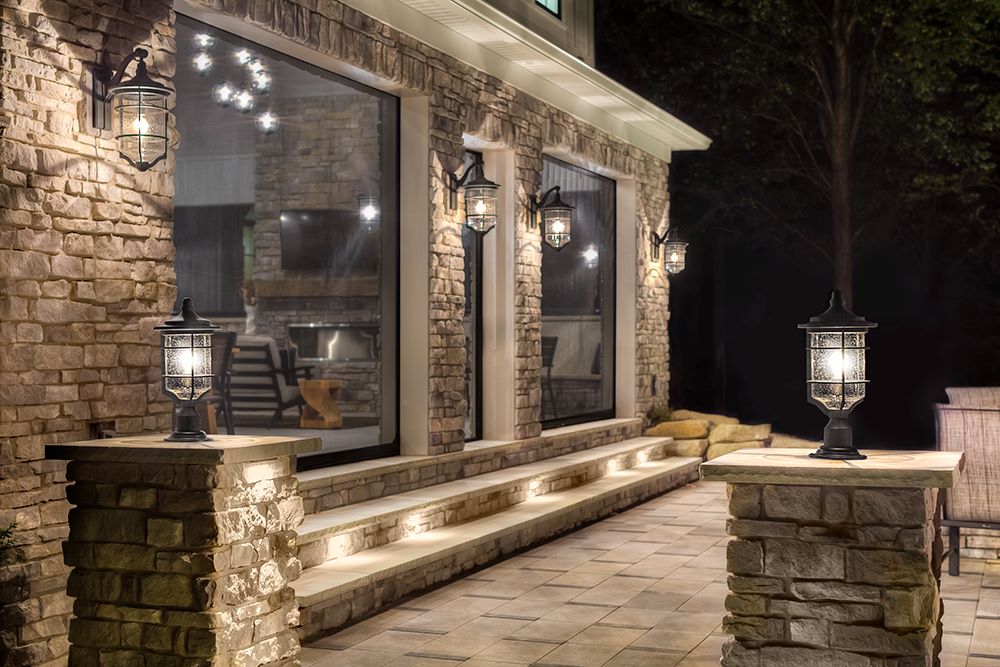
Proper lighting inside our homes helps create a comfortable and welcoming environment, especially during the longer nights of winter. Well-placed task lighting to provide properly lit workspaces for reading, working or cooking will help to reduce eyestrain making these tasks more comfortable and enjoyable.
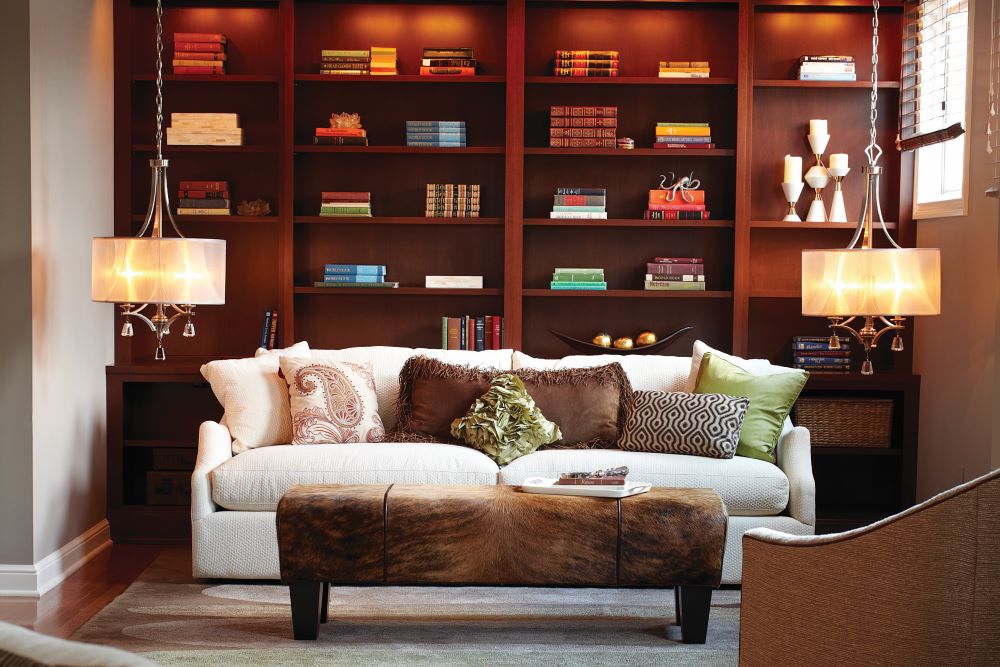
Correct lighting can positively impact your mood and overall well-being. It can create a cosier atmosphere, reduce stress and help combat the potential negative effects of Seasonal Effective Disorder (SAD) that some people experience during the darker months.
In this guide we will look at the most effective ways to optimise winter lighting and how you can change or add to your lighting plan to maintain a comfortable well-lit and energy efficient environment with shorter daylight hours.
Increase Interior Lighting
Do you know how much light your room needs to ensure proper visibility?
Traditionally incandescent and halogen bulbs were measured in watts, which showed how much power they used. More wattage meant a brighter light. Now that the industry has so many energy efficient lighting options, more wattage does not necessarily mean more light. Nowadays LED lighting is measured in lumens. Lumens measure the quality of light emitted by your LED bulb. The larger the number of lumens, the brighter the light produced.
Below is a helpful guide to measuring the amount of lumens your room requires.

Getting the right amount of light doesn’t have to rely on one fixture. Layering your lighting using wall lights, table and floor lamps or additional ceiling lights will allow you more control of your lighting so that it can be adjusted to suit different tasks or moods.

Dim the Lights
Once you’ve established the optimum lighting levels for your space you will find that you won’t always need the full amount of light. This is where dimmable lights can come in handy. Dimming the lights is a simple yet powerful way to set the mood for relaxation and winding down, and can signal to your body and mind that it is time to relax and prepare for rest. Dimming lights can also help to reduce glare and prevent harsh contrasts, making it easier on your eyes particularly if you are using screen like computers or televisions. Reducing the brightness of your lights is also an energy efficient practise in which you consume less electricity, which can lead to cost savings over a period of time.
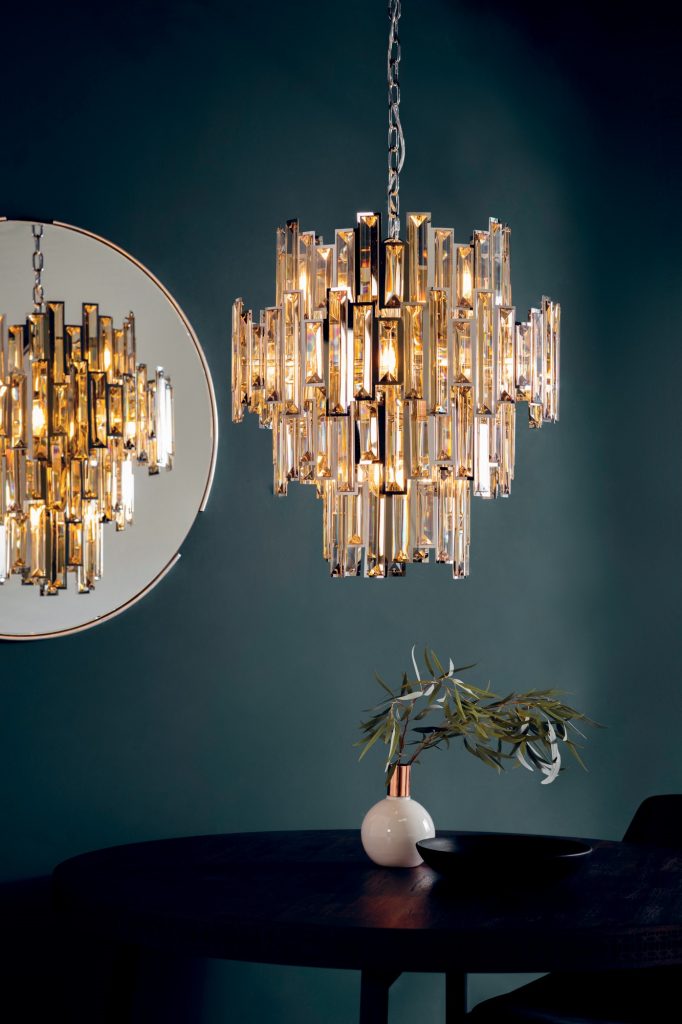
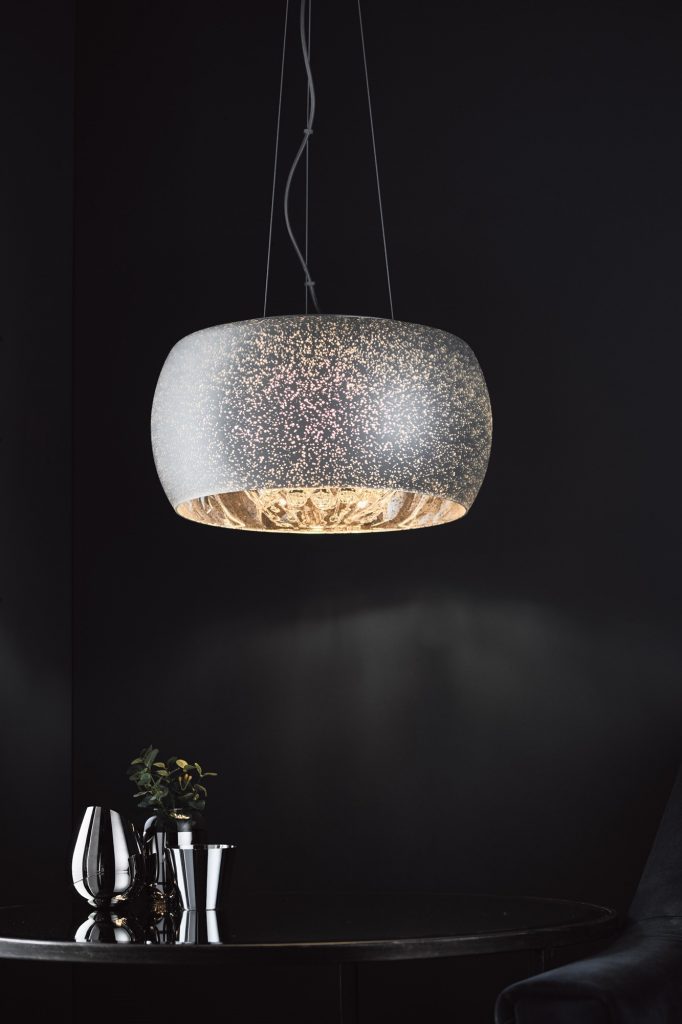
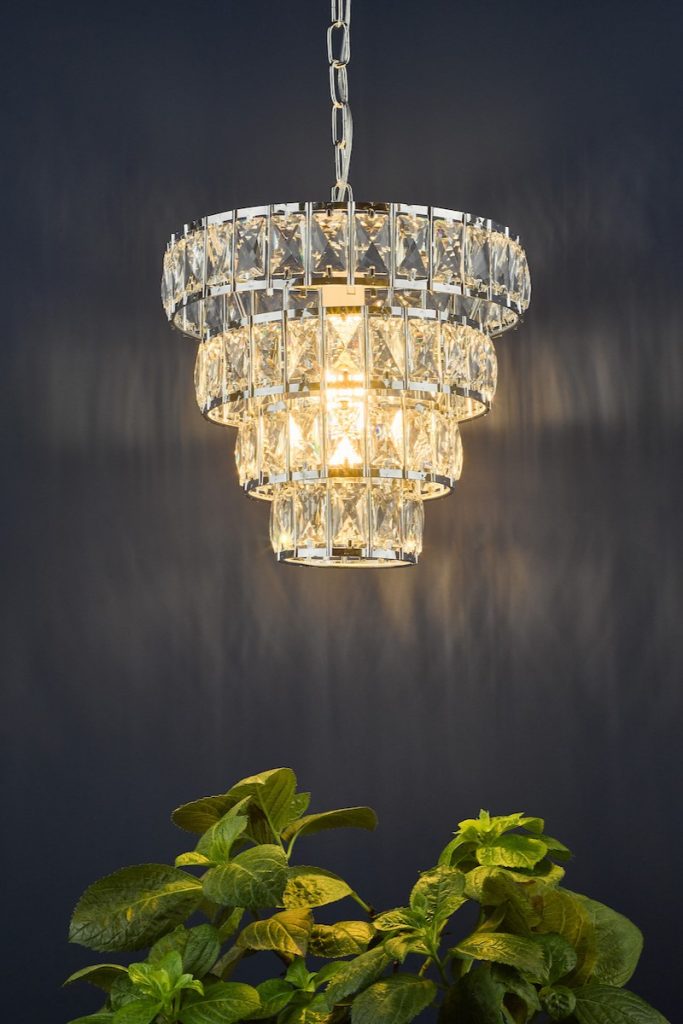
When paired with an appropriate dimmer switch and compatible bulbs almost all of our ceiling lights can be dimmable, so whether you want brighter lighting for reading or a softer light for a romantic dinner they offer the versatility to customise the ambience to your suit your activity or mood.
Deploy Task Lighting
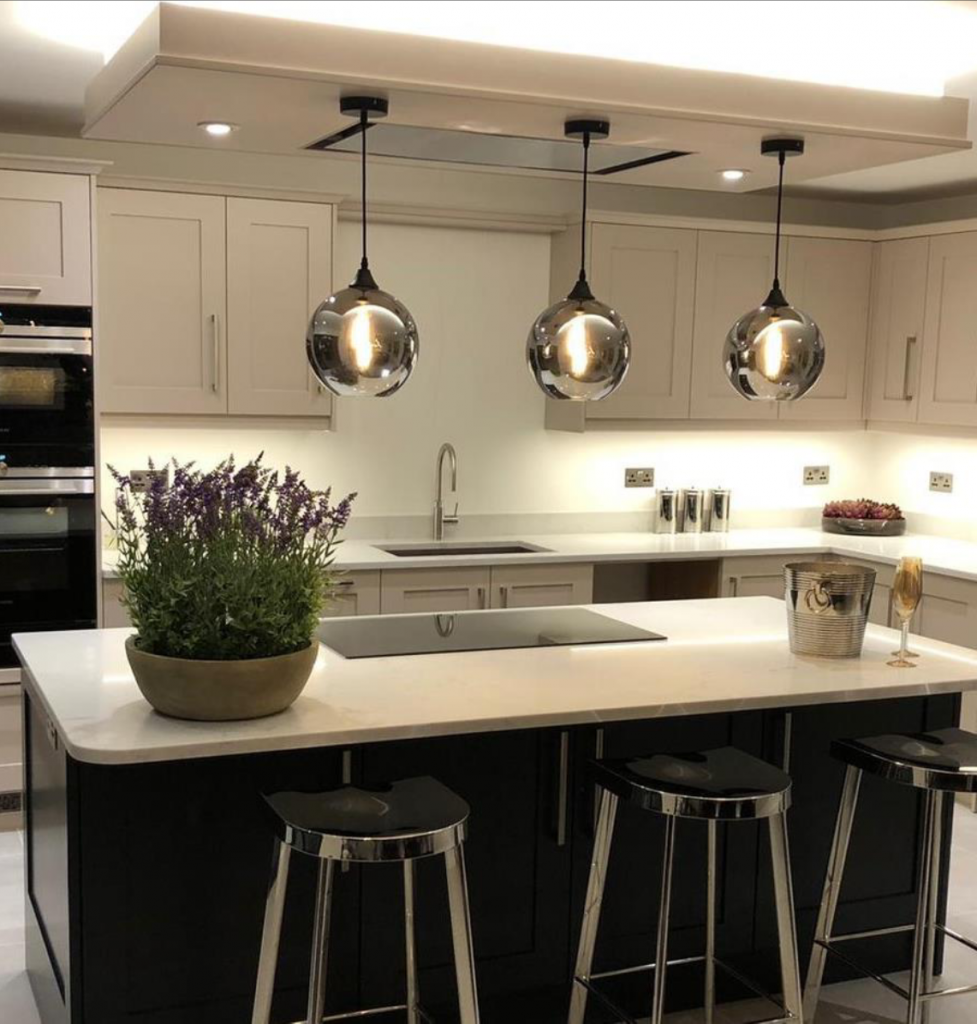
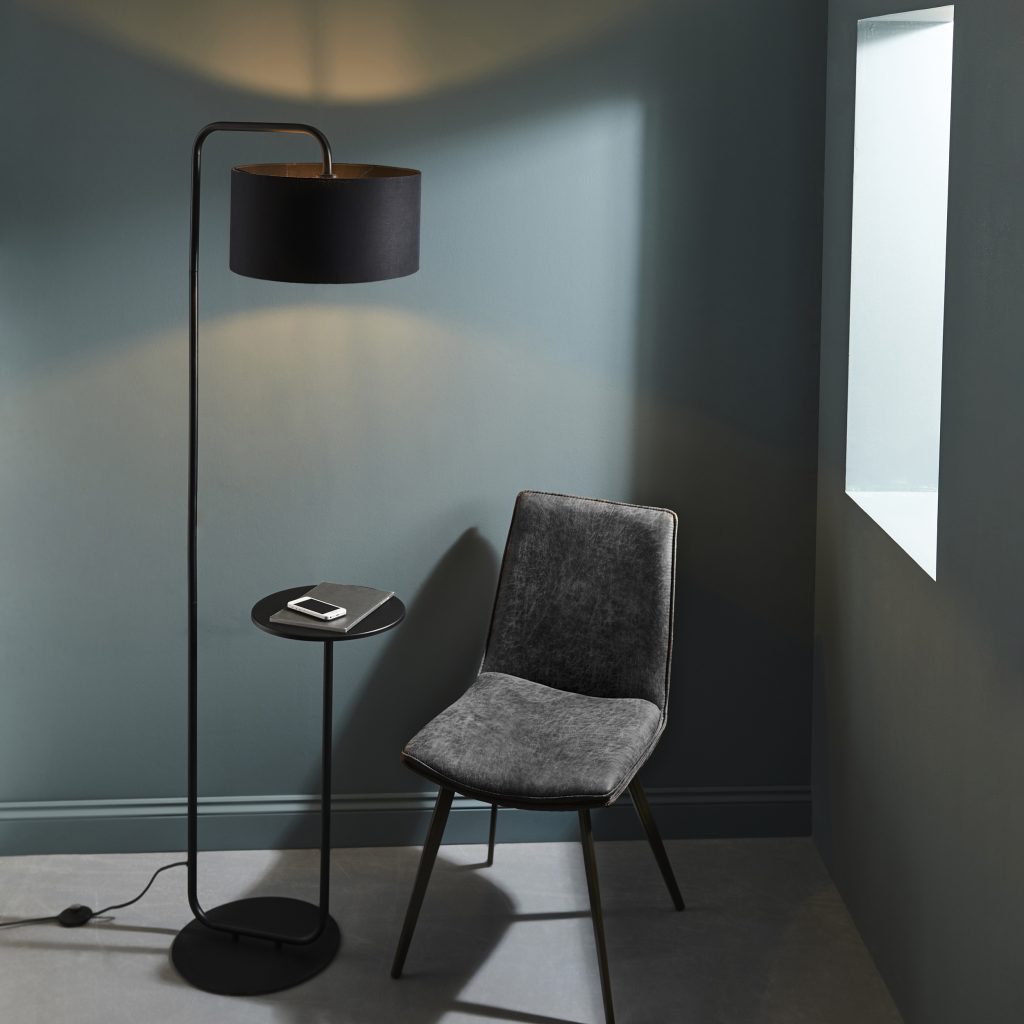
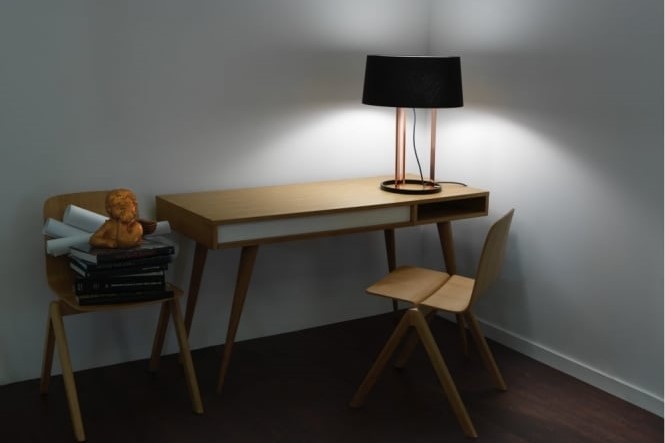
Task lighting is perhaps the quickest and easiest solution to prepare your home for winter and a lot of the time can be achieved without the need for an electrician. Task lighting is a highly effective lighting strategy that involves using focused light sources to illuminate specific work areas which can be crucial for tasks that require attention to detail. Task lighting minimises eye strain by ensuring that they right amount of light is focused on the task at hand, reducing glare and shadows that can cause visual fatigue.
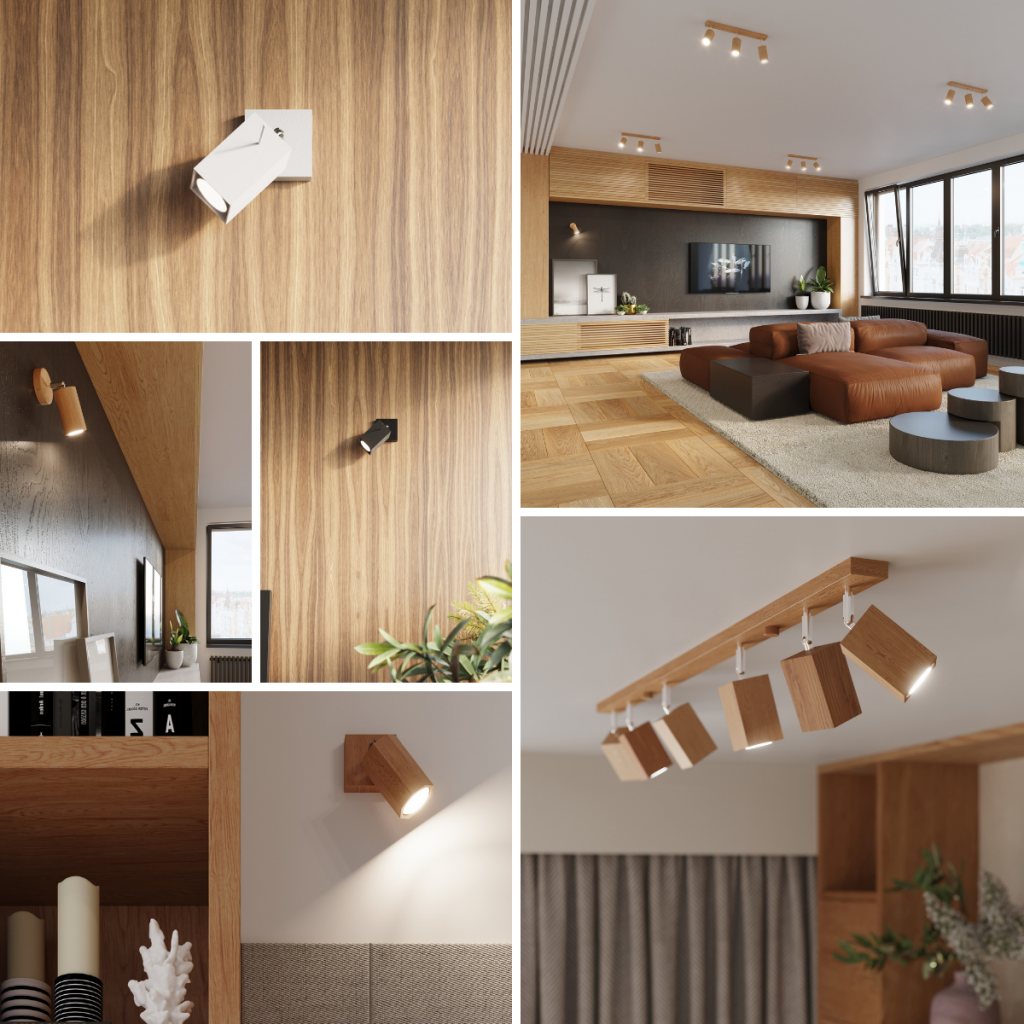
Task lighting solutions come in a variety of forms, including desk and floor lamps, adjustable spotlights and hanging pendants. This versatility means you can choose the right fixture for the specific tasks you need to perform. It is an adaptable solution that can be tailored to your workspace’s unique requirements.

Task lighting is inherently energy-efficient because it delivers light where it is needed without over illuminating the entire space. They can also be switched off when not needed to help reduce energy consumption and reduce energy bills.
Outdoor Lighting
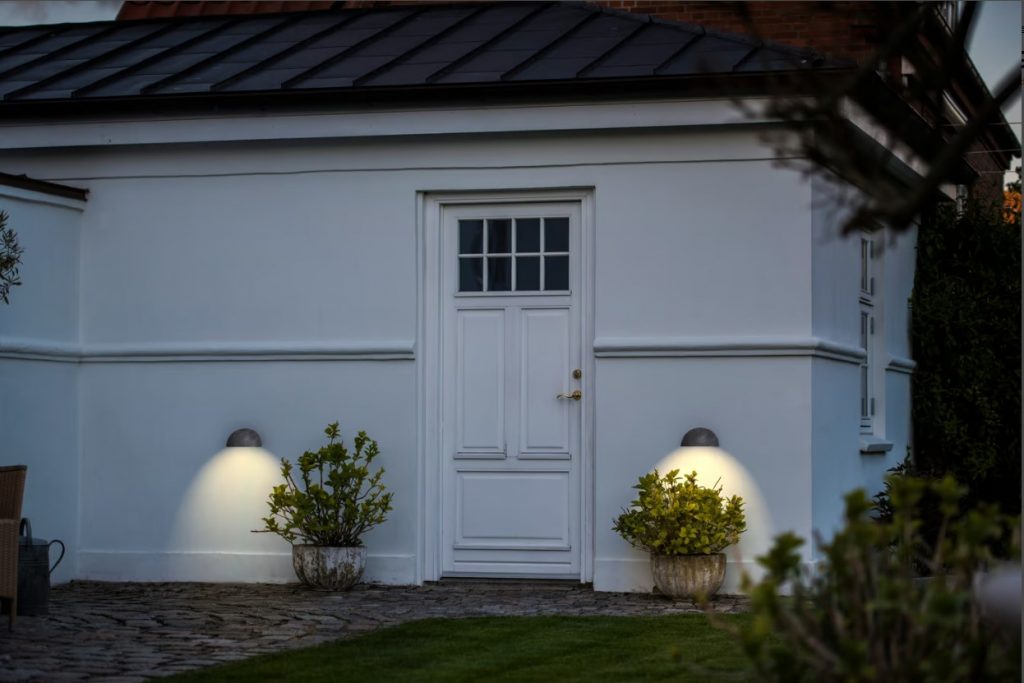
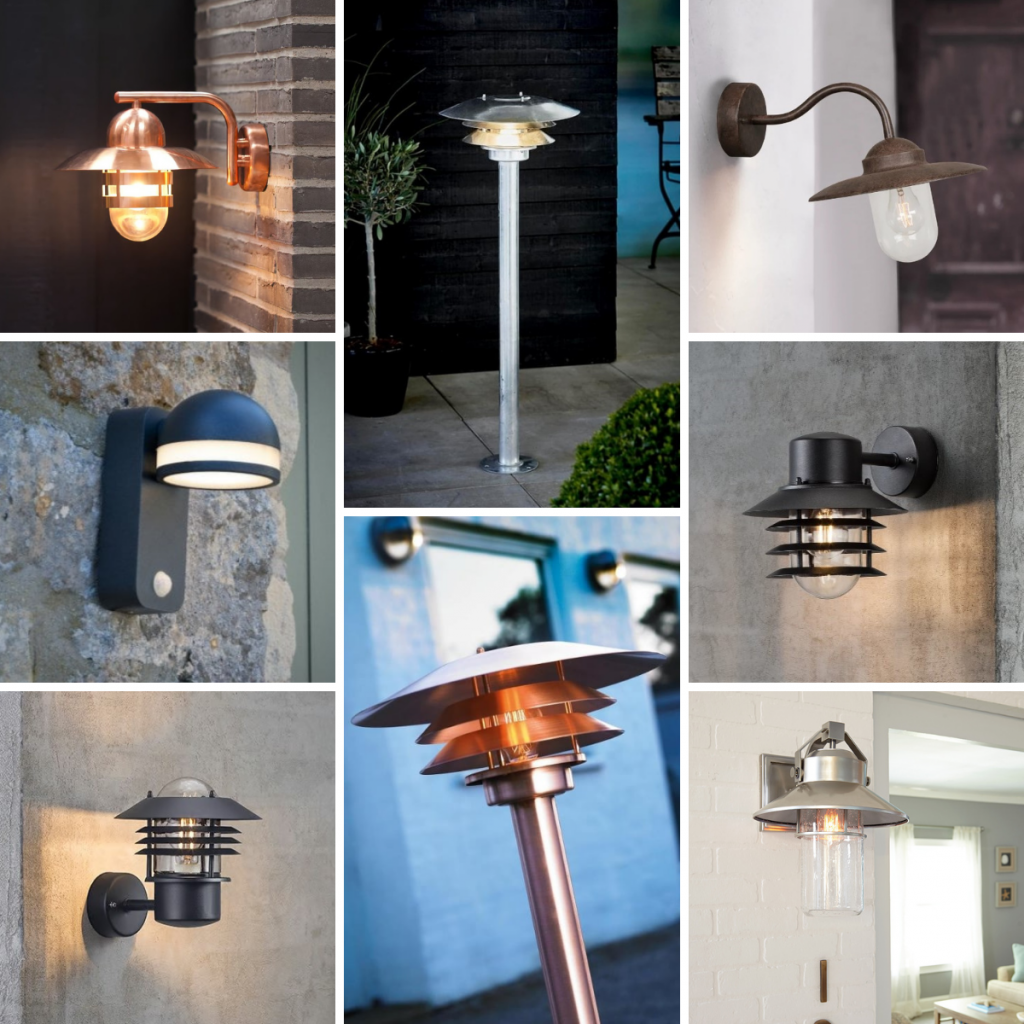
As the nights draw in it is important to ensure that outdoor lighting is adequate as it serves multiple important purposes, from safety and security to aesthetics and functionality. Using energy saving technologies like motion activated or timed lighting not only ensures that your property is well-lit when needed by also helps to reduce energy consumption and contribute to a more sustainable and secure outdoor environment. For more on outdoor lighting read the blog – Illuminating the Night: Mastering the Art of Outdoor Lighting
What Light Bulbs are Best for Winter Lighting?
To create a cosy and inviting atmosphere in living areas during the colder months opt for warmer coloured bulbs. Kelvin is a unit of measurement used to describe the colour temperature of light sources ranging from warm yellowish tones to cool, blueish tones.

On the Kelvin scale, lower values (around 2700-3000K) represent warm light similar to the colour of candle light. These bulbs are the perfect choice for creating a warm and comforting ambience.
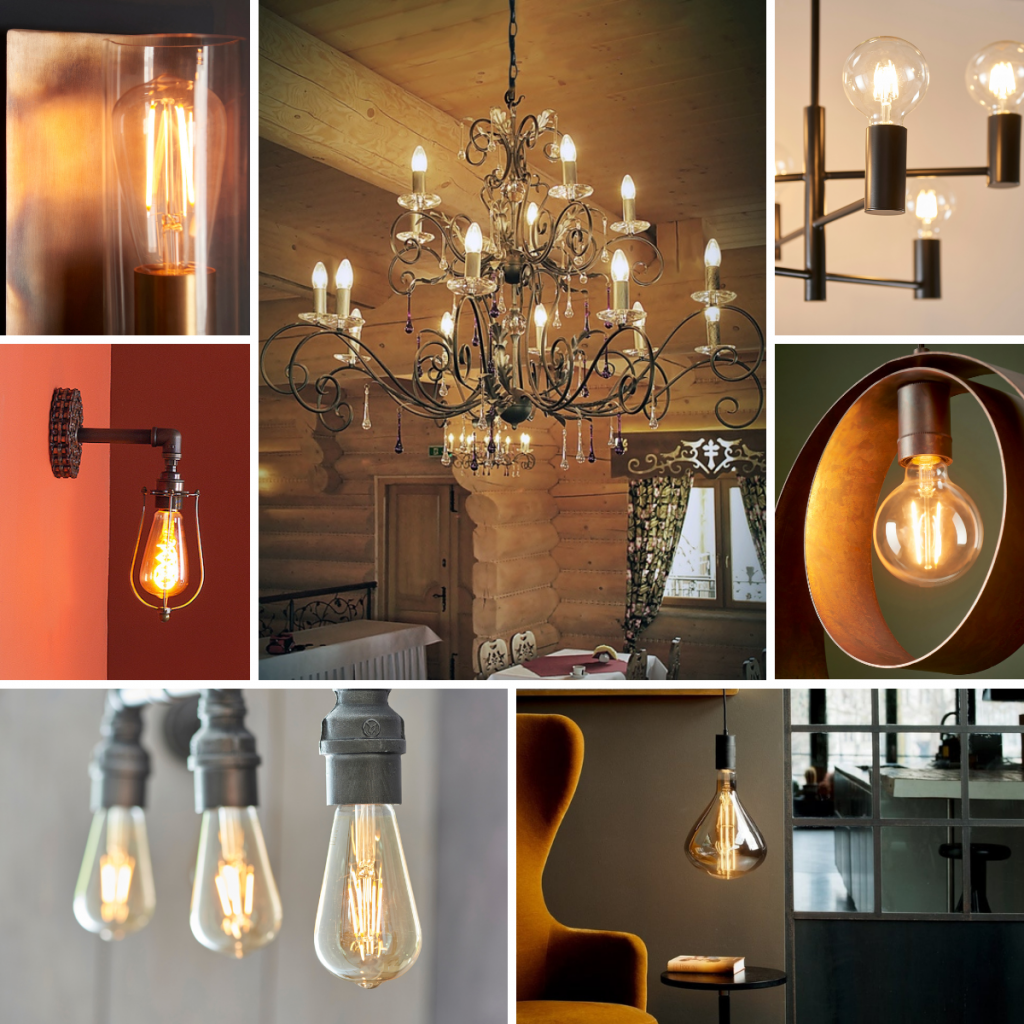
Using energy-efficient bulbs such as LED bulbs will save on energy costs as well as reduce your carbon footprint.
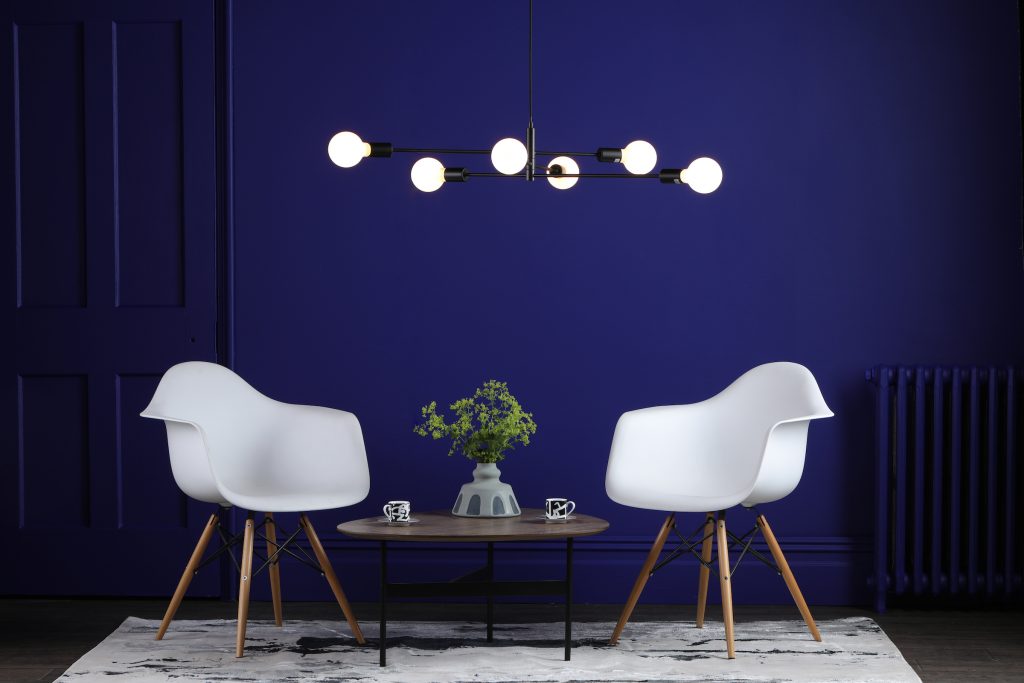
Other Ways to Brighten Up your Interior in the Winter
As the winter season approaches and daylight hours grow shorter, there’s no better way to combat the winter blues than by brightening up your home with colourful lighting. While Mother Nature may paint the outside world in shades of grey, the inside of your home can become a warm and inviting sanctuary filled with vibrant hues. Infusing your living space with bright and lively colours is the perfect antidote to the seasonal gloom. Lighting and Lights’ collection of brightly coloured lighting offers the ideal opportunity to experiment with bold and cheery hues. Consider adding a statement table or floor lamp or even simply refreshing your existing lamp with a new shade in rich reds, deep blues or sunny yellows. these vivid pops of colour can instantly transform the atmosphere, making your home feel warm, cosy and full of life.

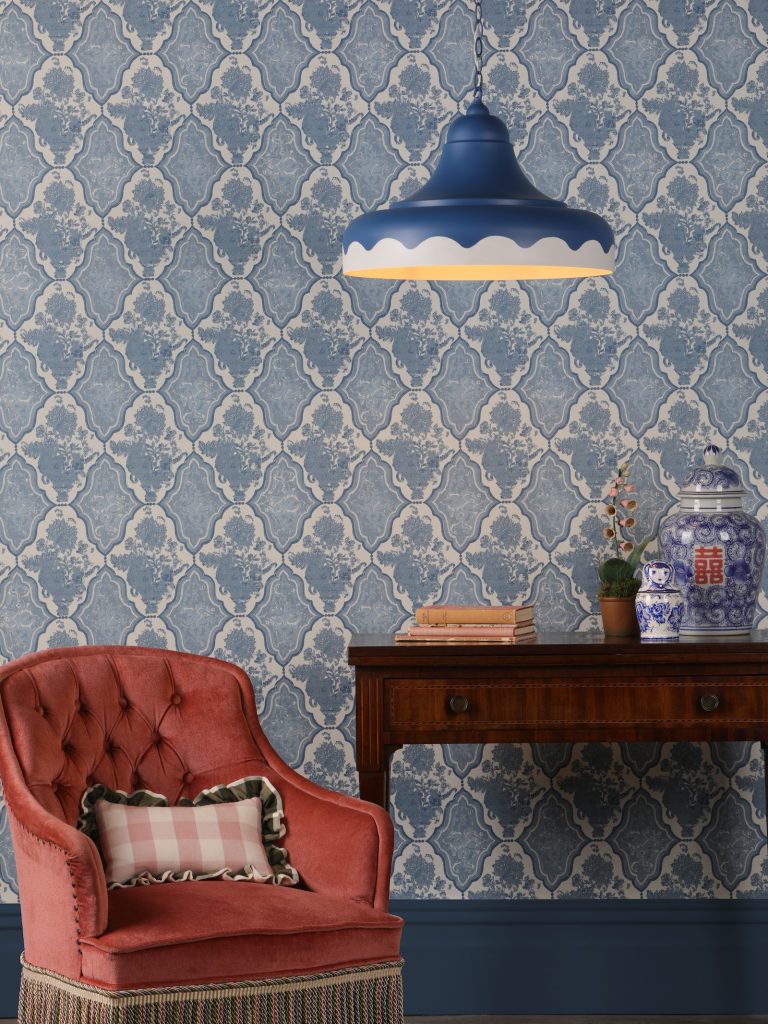
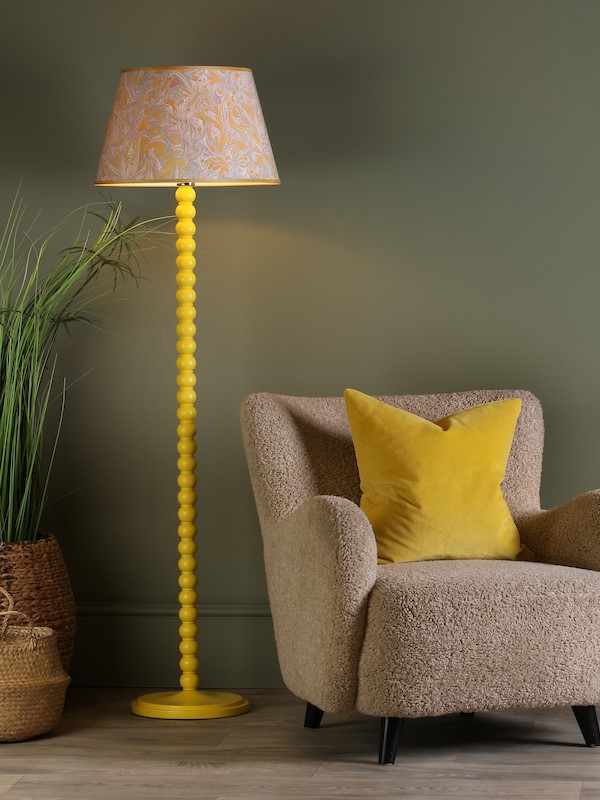
Combining bright colours is a design approach that can breath life into your living spaces, infusing them with a vibrant personality that’s all you own. The key is to strike a harmonious balance between these bold shades. Consider creating a focal point, such as a statement ceiling light, and then echo that colour in smaller does throughout the room. Whether you’re infusing a sense of playfulness, sophistication or just a burst of joy, combining bright colours in interiors is a sure fire way to create an atmosphere that’s uniquely captivating and utterly unforgettable.
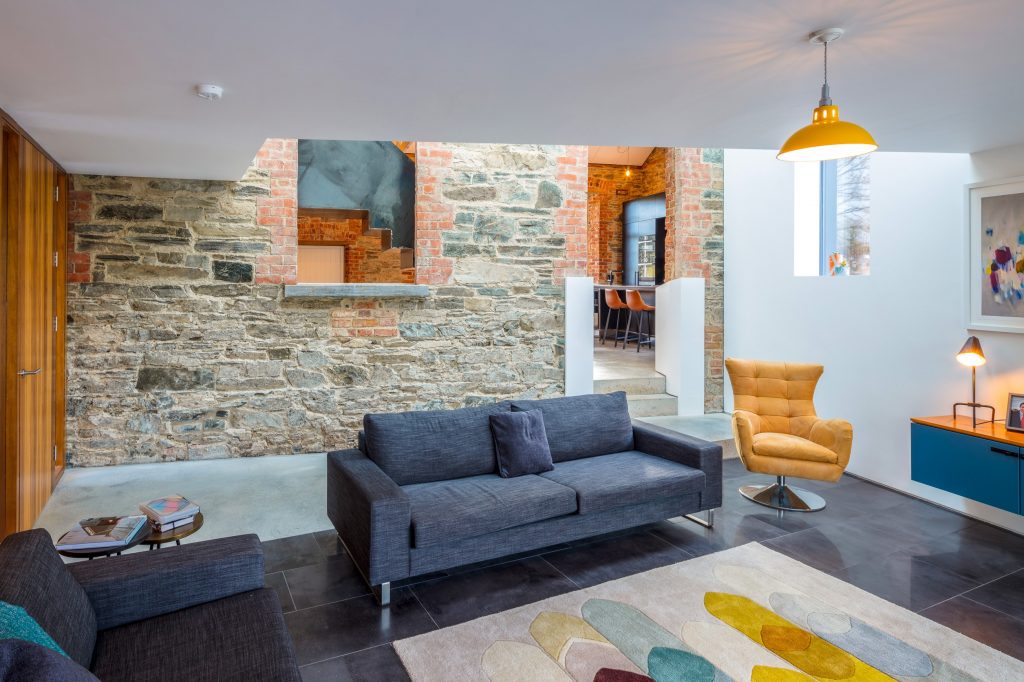
Embrace the magic of winter by surrounding yourself with the energy and vitality that bright colours bring, turning your living space into a welcoming retreat that defies the winter chill.