
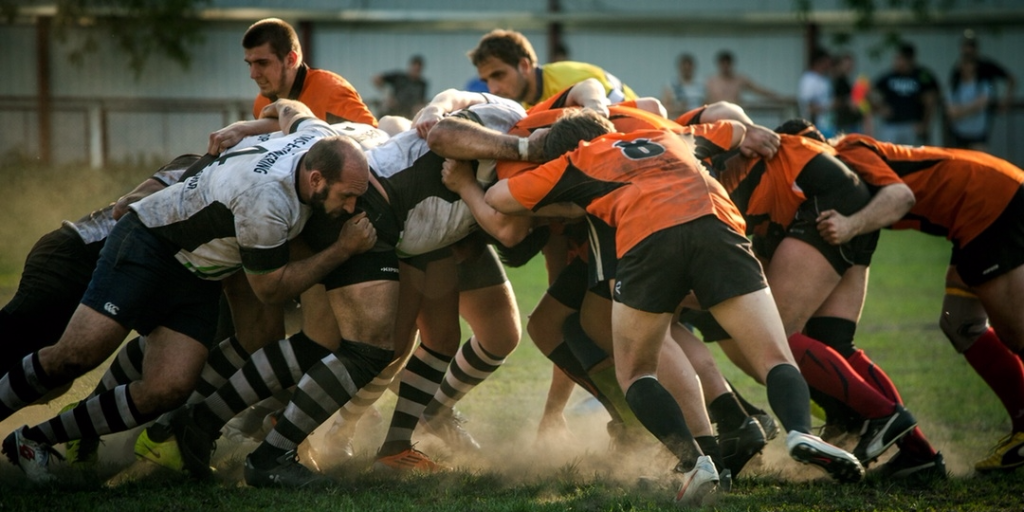
The Six Nations Championship commences once more on 6th February 2017. There are a huge number of fans who support this each year, along with some who probably aren’t aware that it is happening, unless their country makes it to the final stages when they may become more willing to share the TV remote.
The Six Nations as we know it today, is in fact the successor to the Home Nations Championship which started in 1883. This was the first international rugby union tournament and was played between teams from England, Ireland, Scotland and Wales.
In 1910, France joined the competition which then prompted the name change to the Five Nations Championship. It was played annually until 1931, until France were expelled due to allegations of professionalism in the amateur game and they were not permitted to re-join until 1939. The outbreak of the Second World War halted the games until 1947. The games continued once more until 1999, with the game of Rugby finally had payment restrictions to players lifted, making the game professional for the first time in 1995.
With the dawn of a new millennium, 2000 saw Italy join, thus making it the Six Nations as we know it today. Believe it or not, England currently holds the record for the most wins with 27 titles, with Wales closely on their heels with 26 outright wins.
Rugby continues to gain followers and popularity yet manages to keep its roots invested in the history and evolution of the game.
Taking a trip down ‘memory lane’, we have selected the best lights for the most pivotal eras throughout the history of Rugby.
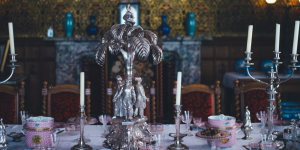 1883 – THE START OF THE HOME NATIONS CHAMPIONSHIP: The Victorian era saw massive transformation and developments to ordinary houses and little others had the impact of electric lighting. Rural homes still relied heavily on gas lighting, but urban homes were beginning to enjoy the benefits and convenience that modern electricity was introducing.
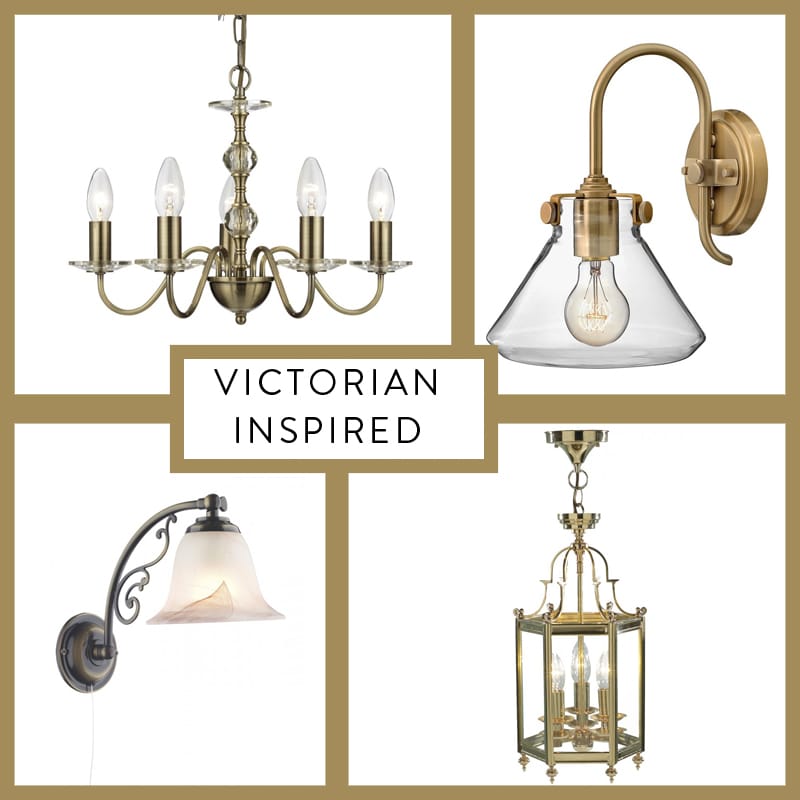
As electric lighting began its ascent in availability, the Arts and Crafts movement was flourishing. The first designs were therefore heavily influenced by this and focused on traditional techniques in simple, balanced shapes made in natural metals, e.g. copper, brass and pewter. Decoration would have been kept to a minimum as they were handcrafted.
Our favourite lights inspired by the Victorian Era:
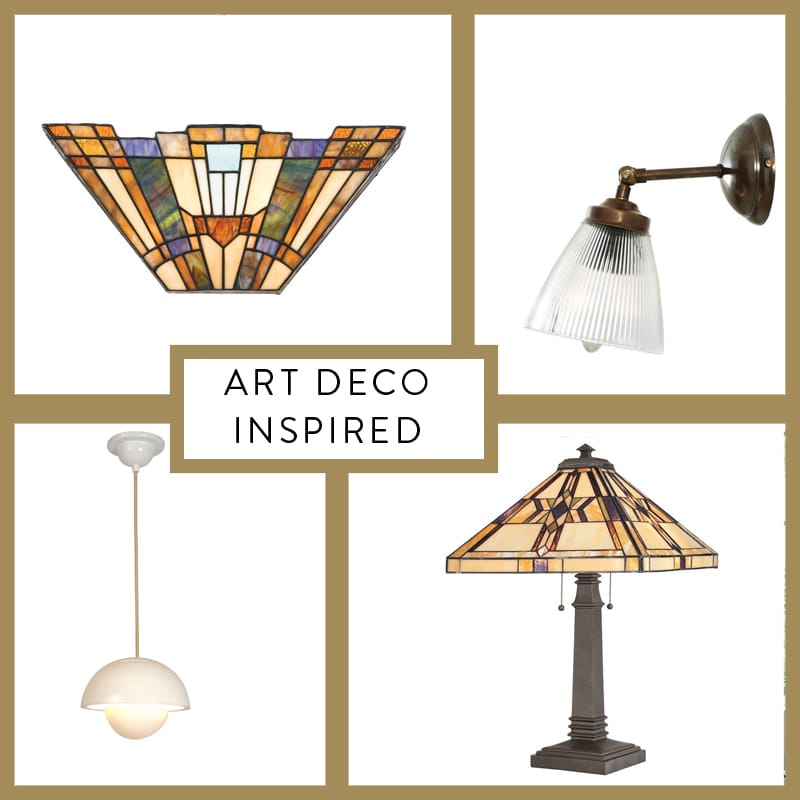
 1939 – 1946 – THE PAUSE FOR THE SECOND WORLD WAR: As techniques were honed and advanced, with influences from overseas being celebrated, Art Deco began to emerge in the 1920s. Where the initial styles of electric lighting saw resonance of candelabra and gas lighting designs, Art Deco was born from a desire for modernity. Quality materials and craftsmanship were still high on the agenda, but the style evoked a sense of luxury and glamour. The introduction of mass production made this style more affordable and therefore more accessible.
Our favourite lights inspired by the Art Deco Era:
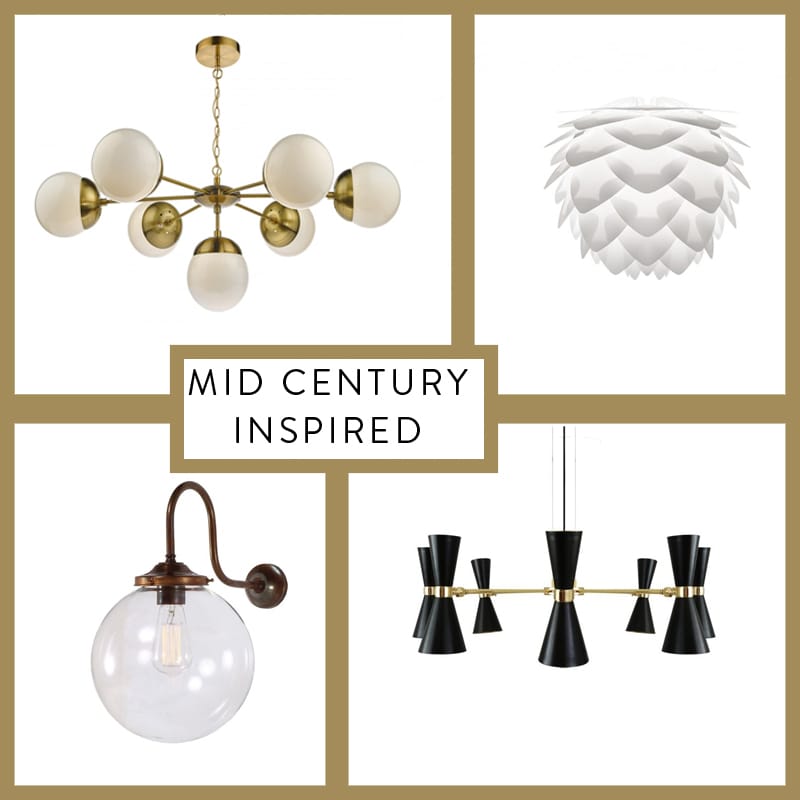
 1946 THE END OF THE SECOND WORLD WAR: When World War 2 finally drew to a close and the economy began to regain its strength, popular design once more began to strive towards modernity. Mid-century Modern, a design concept instigated in America, challenged traditional form and structure to make a statement. In architecture, the use of glass walls was introduced and a new-found sense of importance was placed on functionality.
Our favourite lights inspired by the Mid-Century Modern Era:
 Today, we have access to a huge variety of styles influenced from many different eras and countries. So if the rugby is on the TV and you’re not inclined to watch, please click here to have a browse around the world in all eras, from the comfort of your sofa.
So, without nailing our colours to the mast, we wish all the participants the very best of British luck!
