
Tips and Tricks to Light your Home.
In this blog we will unlock the secrets to creating your perfect, happy home! We’ll obviously look at the different types of lighting, but more importantly how you can express your own personality and style.
It’s not news that we connect our happiness with home. It’s where we retreat to rest and relax at the end of a busy workday. Where we spend time with family and friends. We will look at choosing the right lighting for every room that will not only enlighten your home, but also your heart!
When you analyse it, our homes are the setting for a many momentous life occasions and human emotions. It’s this complexity that we see becoming the backbone of interior trends, naturally evolving over the coming years.
We’re coming to realise that perfection is not all it’s cracked up to be. We’re quite happy to upcycle an old sideboard, passed down through the family as to fondly re-imagine the essence of days past.
So, how can you achieve the home interior that’s YOU?

It’s been suggested that we have as big an emotional connection to our homes as we do with our pets and close friends.
We can feel adrift when we’re kept away from it for long periods of time – even at the end of a luxury holiday, you can’t beat the feeling of sitting on your own sofa, drinking from your favourite mug.
So, throw out the rule book, and follow your instinct!
Self-Expression
The art to self-expression is simple; it’s about driving a personal vision to an external form.
It’s all about exploration, stopping the inherent knee-jerk reaction to situations and instead, choosing to learn from them. As we learn to challenge ourselves, we can begin to grow and encompass new experiences.
Rooms to use this in:
- All throughout the home
How to incorporate self-expression into your interior design:
- Take your time
- Something that initially appeals to you may only appeal to your comfort zone
- Think about your home’s personality (how you WANT it to be, not how it currently is); is this choice an accurate reflection?
- Does it deliver the functionality that you crave?
- Don’t fall for pre-suggested colour and design trends
- The tones that all work together is perfect for someone who wants a carbon-copy look straight from a magazine; you’re reading this, so that is NOT you!!
- Interior design trends are great for creating a cohesive look in your home, but they rarely talk about YOU as they are too demonstrative of their own evolution
- Mixing and matching has it’s benefits and can work, as long as you love all of the elements individually
- Shock yourself
- Whilst it’s great to include visual cues of high points of your unfolding journey, perhaps try an alternative to the standard prints-on-the-wall look, such as;
- Silhouettes of family and friends
- Pop-art style artwork
- Don’t stick to one colour or pattern, master your own layering techniques
- Whilst it’s great to include visual cues of high points of your unfolding journey, perhaps try an alternative to the standard prints-on-the-wall look, such as;
- Add collections
- What you choose to collect speaks volumes about you. If they are decorative items, put them on display somewhere!
- Collect pieces that epitomise your travels – they don’t need to appeal to anyone else as long as they represent a snapshot in time for you

Comfort
The art to comfort is creating a safe haven, free from discomfort. It’s also alleviation of the feeling of unease and distress, infinitely nurturing.
Comfort provides the nesting quality that we all crave in our homes. This is what all of us covet and picture in our mind’s eye when we’re having a challenging day or feel tired.
Rooms to use this in:
- Living rooms
- Bedrooms
- Dining rooms
How to incorporate comfort into your interior design:
- Choose where to use it
- Only use it where it counts
- Think about where you relax; these are the only areas you need to focus on
- Think about more than just furniture
- Flooring is one that’s often overlooked; there’s no denying that rugs and carpets are more comfortable underfoot
- Textiles is another – what feels more comfortable to you; hessian or velvet? Cotton or fleece?
- Things that we find most comfortable will last for much longer in our homes, so it’s worth pushing the boat out and making that investment
Relaxation
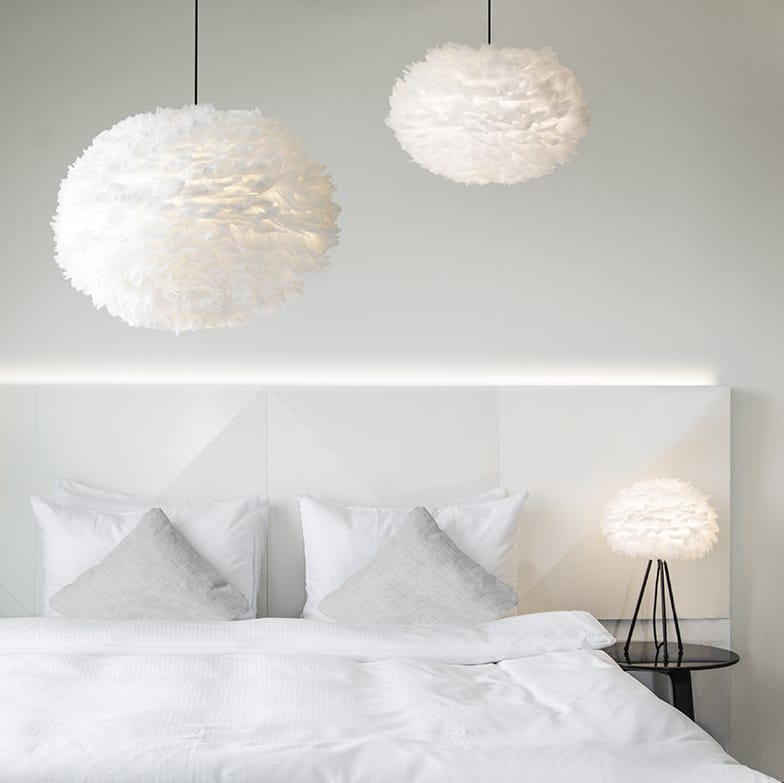
Relaxation is a state that we all crave from time to time, where both our minds and bodies are free from tension, stress and anxiety.
Creating this vibe in our home is not always an easy one. The only way that you can achieve this, is to actively seek out things that make you relax, and this is totally unique to you.
Rooms to use this in:
- Living rooms
- Bedrooms
- Snugs/Conservatories
How to incorporate relaxation into your interior design:
- Choose lights that you can dim
- lights will boost your mood but if they are too bright, they will act as a stimulant
- Choose colours that relax you
- neutral is not always best!
- Choose soothing visuals
- such as nature patterns or textures
- Wood furniture or flooring
- Try keeping fresh flowers in the house
- if you’re not green fingered, consider realistic faux flowers and a room spray
- Aromatherapy is greatly underrated
- using all senses will help your mind understand the tranquil scene straight away
- Ban devices!
- Nothing is less relaxing than being within arm’s reach of the rest of the world
Productive
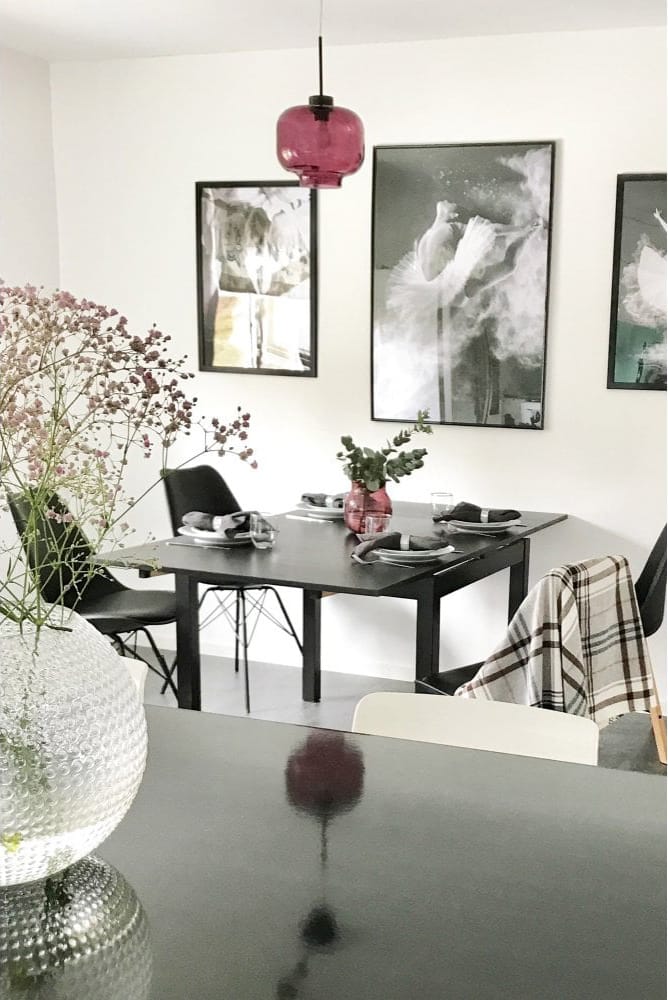
Whilst it would be lovely to picture this calm, relaxed, comfortable vibe in our homes, we’d soon be in a mound of chaos if we didn’t maintain the chores!
Creating a mood that is conducive to being constructive doesn’t simply apply to work. It also applies to the tasks that make our homes and lives run efficiently.
Rooms to use this in:
- Home office/studies
- Kitchens
- Utility rooms
How to incorporate productiveness into your interior design:
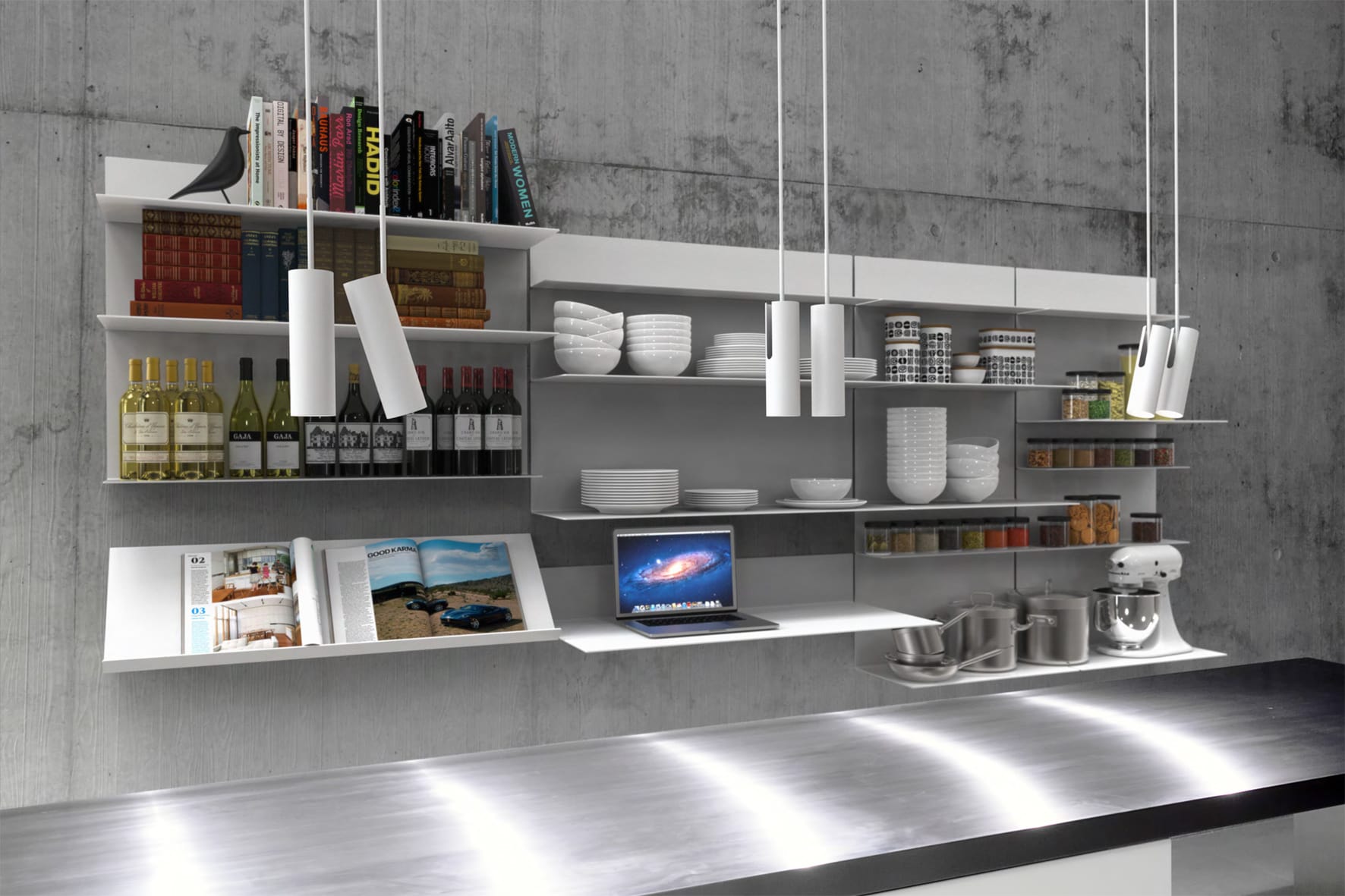
- Create good light levels
- Ensure that there is a light to hand to illuminate each task you need to undertake
- Make sure you have a plan to banish shadows! Nothing is worse than a well-lit kitchen where the chopping board ends up in the dark
- Ensure that you have a light to hand where you need it
- Use a main, overhead light with other lamps and wall lights to create a balance of ambient and task lighting
- Ensure that you have ample storage and that items you regularly use are easy to locate
Inviting
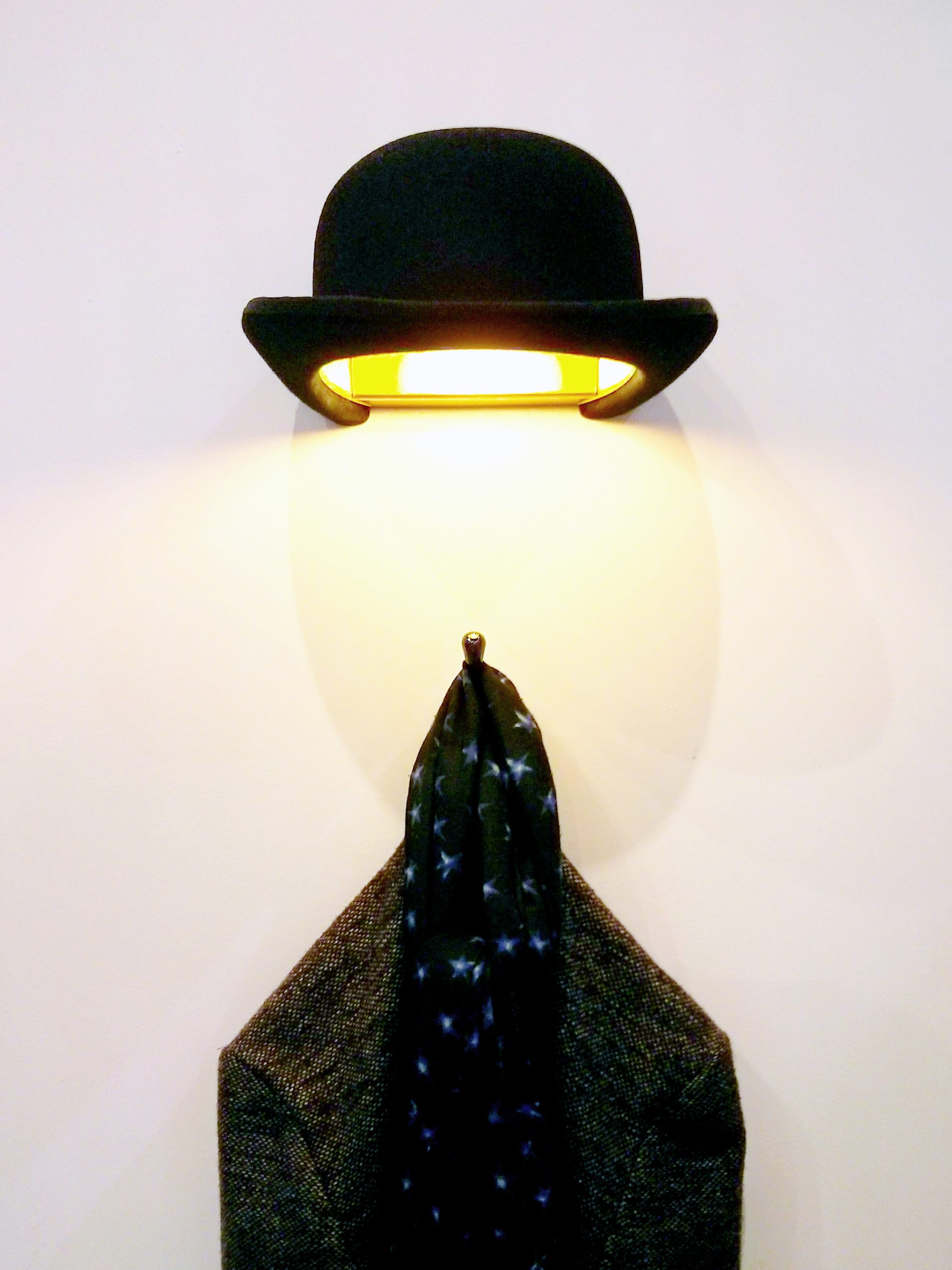
Being inviting is about creating a welcome to all, with the unspoken promise of an enjoyable and comfortable occasion. This can be anything from the smell of home baking, to a wonderful display of contemporary art – it’s a snapshot of commitment to the experience to come.
Whilst an inviting interior may be interpreted in many different ways, there are some commonalities that you can adopt that ensure both you and guests feel at home as soon as you set foot in the hallway.
Rooms to use this in:
- All throughout the home
How to incorporate a welcoming invitation into your interior design:
Create conversation:
- Have a conversation starting feature in plain sight from the front door
- Let in light, or if there are no windows, use a table lamp and a mirror
- Place furniture in a way that ensures people can face each other
- Ensure that everyday ‘clutter’ is tidied away; that said, evidence that the house is ‘lived in’ will actually be more welcoming than a clinical space
- Balance the room with the largest piece of furniture facing the focal point in the room
- Ensure that every seat has somewhere to place a drink, ensuring that basic needs are met will ensure that there are no awkward moments where someone is unsure what to do
- Keep your home at a comfortable temperature
- Maintain the pathways around your home and ensure that they are easy to navigate
Togetherness
Spending time with family and friends is what makes us human. The relationships that we build all stem from the time that we spend together, so it is a natural connection that happiness stems from affection and contentment.
Rooms to use this in:
- All sharing spaces, including:
- Living Room
- Dining Room
- Kitchen
How to incorporate successful sharing spaces into your interior design:
- Ensure that in all areas of the home that are shared spaces, that there are enough seats for all the people living in the home. If you have space for any more, an additional 2 or 3 will be beneficial
- When guests come over, ensure that you have enough seats for all – no one will mind if the furniture doesn’t match!
- Encourage a set time each day where you all spend some time in each other’s company
- Don’t stop the conversation! Whilst everyone’s having fun, don’t bring focus to the lateness of the hour by suddenly turning the lights on. Pop them on before dusk sets in, so that there is a gradual, subtle change from day to evening. If you have dimmable lights or lamps to help control the ambience, all the better!
- Choose your furniture and colour scheme with all of the residents in mind; keep it age and gender neutral.
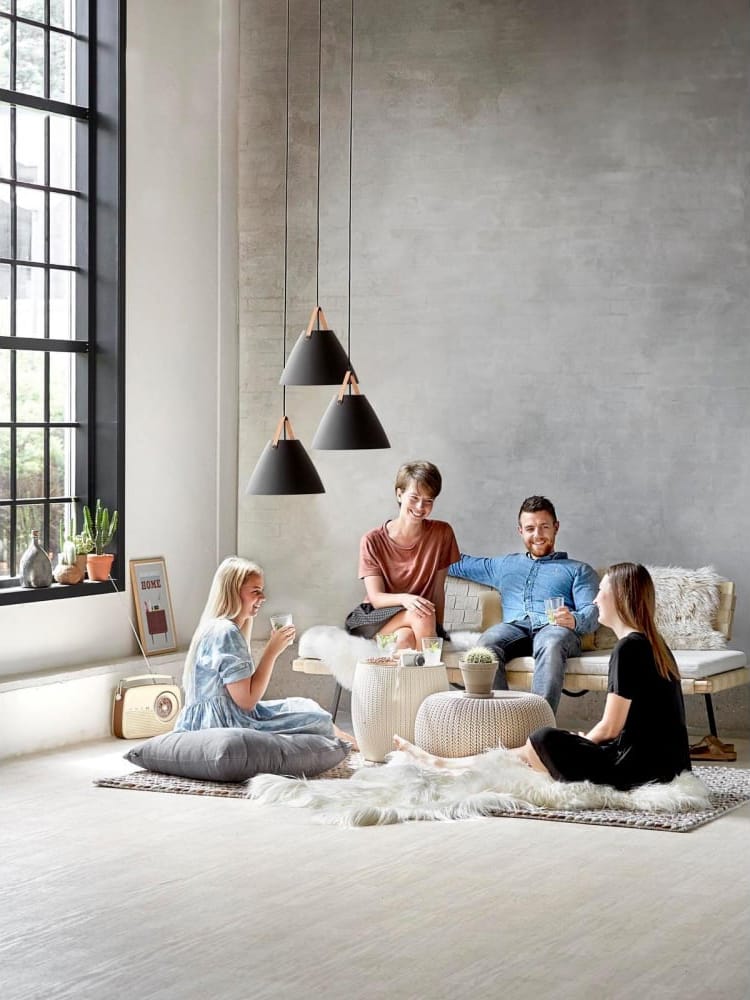
So, get thinking about the home you want! For more inspiration, browse our latest light additions here!