


Exploring the Midcentury Lighting Styles that won’t leave your Pinterest feed.

With an overwhelming multitude of lighting choices in contemporary interior design, making an informed decision is more vital than ever. Modern lighting designs came out of the various key styles emerging between the 1930s to the 1970s, such as, Midcentury modern lights, space-age lights and Brutalist lights. So this blog exists to help you weigh up which style is right for you and your space by exploring the history and form of each one.

A Postwar world brought the need for fresh design approaches and changes in attitudes towards lifestyle and design. Rapid visual changes were made in an attempt to reconstruct the world in an optimistic functional way. As a result, through the 1940s to the 1980s a number of lighting styles emerged alongside one another, sharing a view of a new and different future but with alternate attitudes and approaches. Whilst this was a movement towards design that spanned internationally, different countries became key players through different approaches. America forefronted Midcentury optimism and later explored the atomic and space ages through the invention of new materials such as plastics and embracing industrialism, whilst the Scandinavians stuck to a more purist approach embracing handmade designs using natural materials such as woods and leather, which has since become such iconic staples of Scandi design. Meanwhile Britain, perhaps less optimistic and more economically challenged following the war, leaned into Brutalism.
This isn’t to suggest however that all these branches of Midcentury design didn’t co-exist as ultimately a lot of them stuck to the same codes of minimalism and ergonomics, with the virtuistic aim of inclusive design that was attainable for all.

Midcentury Modernism
The beauty of Midcentury lighting design lies in its form and the modern sleek finish it adds to a space. This design style has withstood the test of time arguably better than any other, with authentic designs still being highly sought after and featured in contemporary interior design trends, making it an excellent choice for a lasting light piece and possibly a more sustainable one too.
A descendant of design movements such as Bauhaus, Midcentury design existed between the 1950s to the 80s with its main design codes focused on embracing the new and looking to the future, taking form with stripped back clean lines and a natural aesthetic. Midcentury design embraced minimalism, putting weight on functionality over form and taking into consideration how space could be used practically and efficiently. The design style maximised light, creating inviting calm environments with extremely thoughtful layouts, bringing the outdoors in. Key codes of this design features the juxtaposition of clean lines with organic shape, rich woods and bold solid colours with little or no decorative elements. Midcentury design is essentially honest and clean, embracing the truth on how the object was constructed and from what materials.
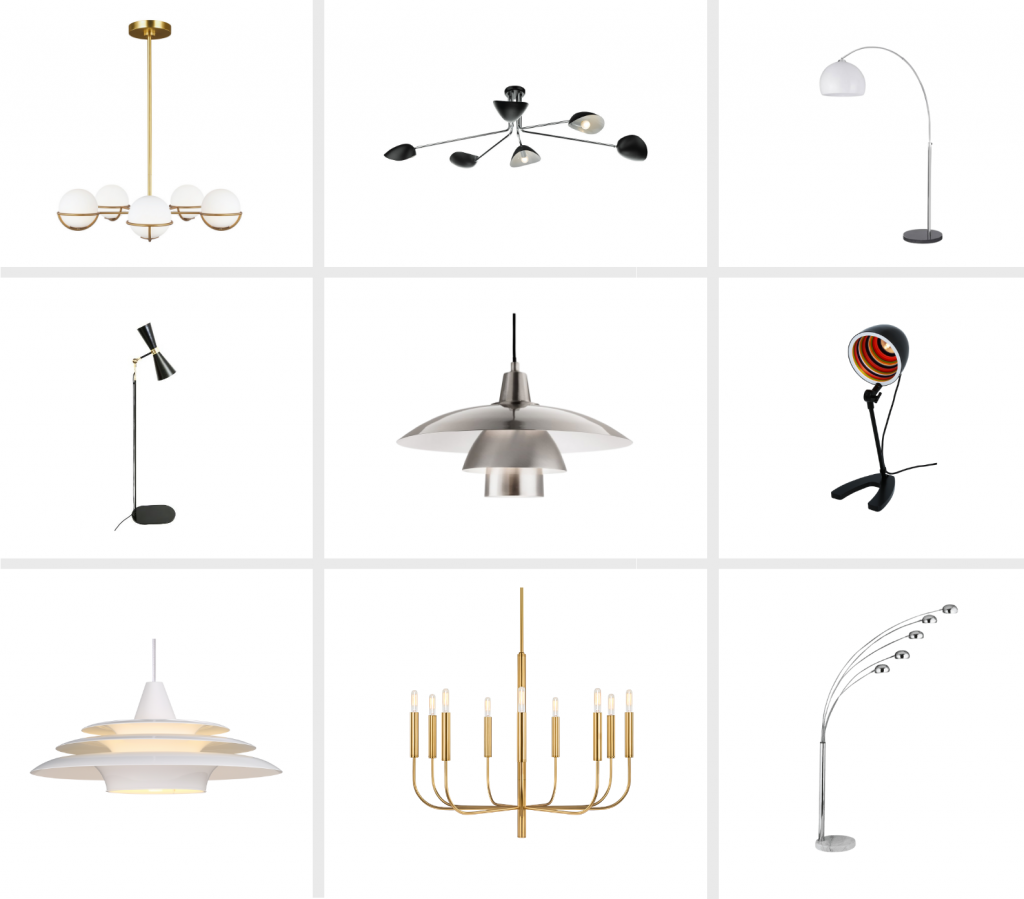
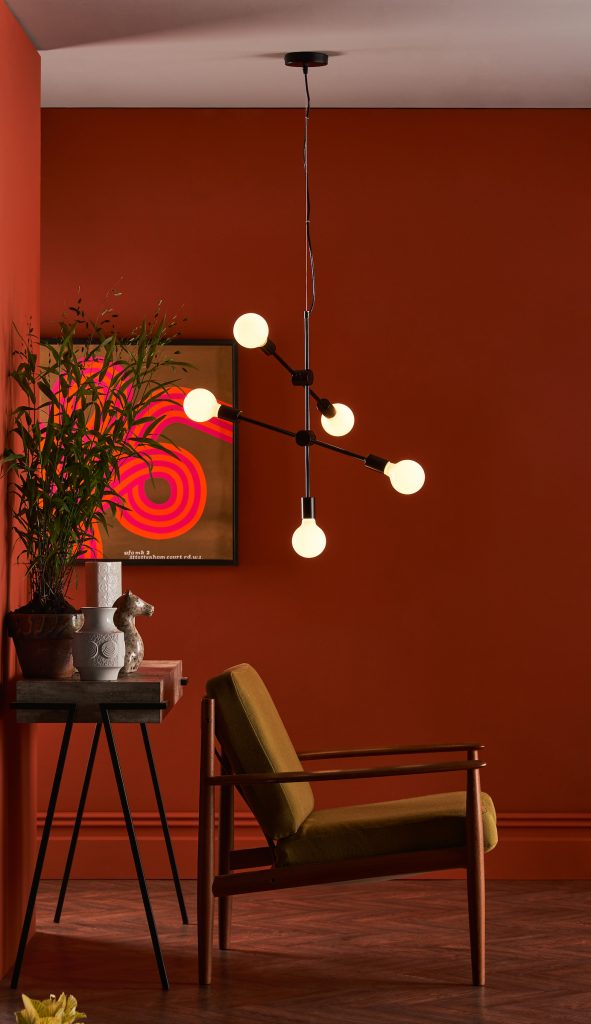
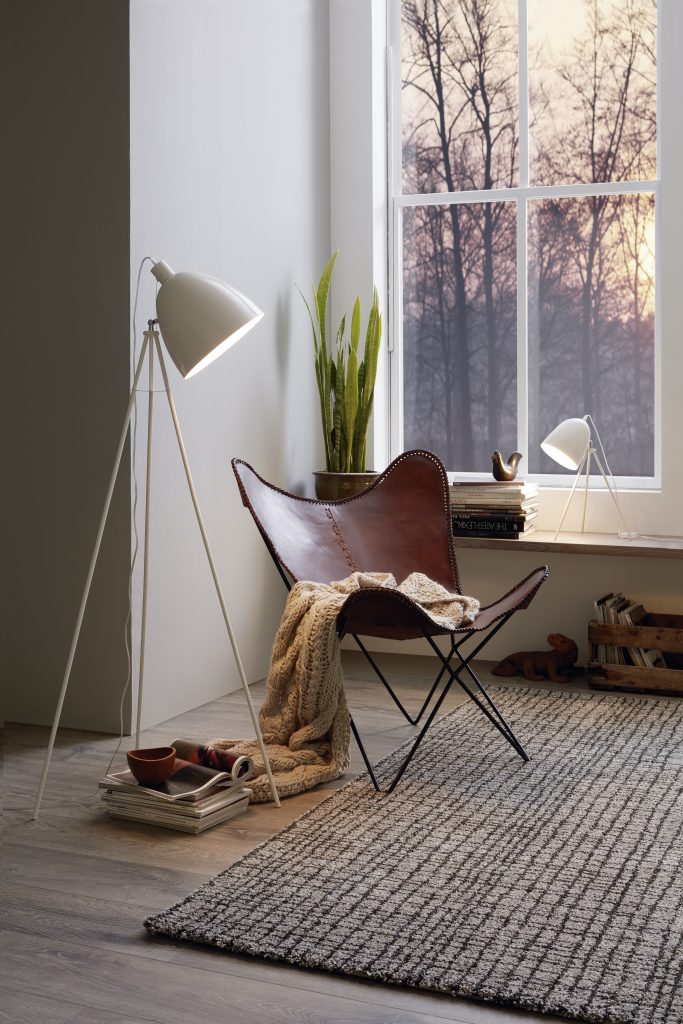
Lighting Design was a huge element of Midcentury modernism, with many famous lasting forms being born from it. Look for simple pendant lights, chandeliers with slim forms, paired with soft edges in a range of materials from glass, wood and plastic. Often midcentury lighting in bold colours and modern materials became an intrinsic part of interior decor. Some of the most iconic designs in lighting take form influence from mid century aesthetic midcentury table lamps, floor lamps and elegant ceiling pendants.
Add a Floor Lamp for an Instant Mid -Century update.

Midcentury Futurism: Atomic and Space Age Design
Atomic and Space age design built on the codes of Midcentury Modern design, adding in the attitudes of the time towards new technological developments such as nuclear energy, the A-Bomb and later space exploration. It kept the clean organic forms but leant more heavily into the use of new materials such as fiberglass and plastic, pairing it with nuclear colours and the infamous starburst, resembling the structure of Atoms. Space age developed from this and is perhaps cleaner but both are very intertwined. This style can be seen prevalently through films such as 2001: A Space Oddessy and A Clockwork Orange (although arguably the space age furniture featured in A Clockwork Orange has been styled in a postmodern way reflective of its genre).

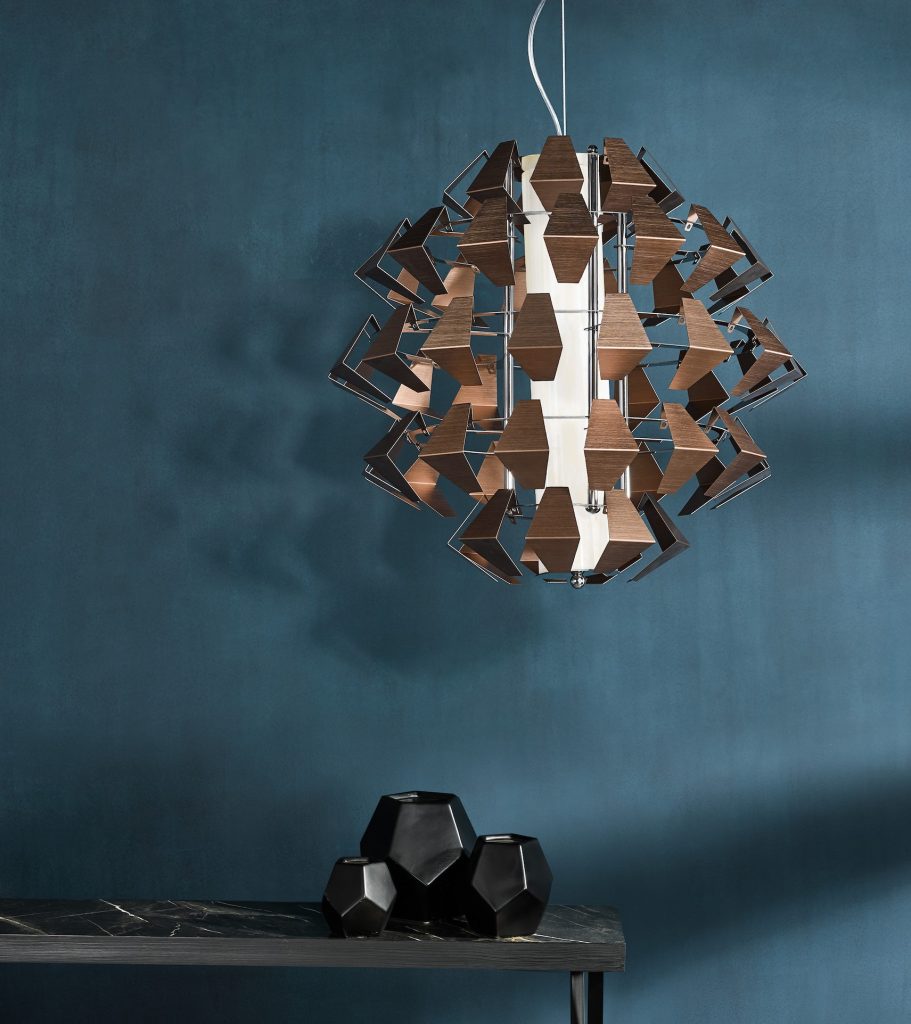
Iconic lighting designs such as the Sputnik Chandelier was made a staple as a result of this futuristic movement, as well as other starburst style pendants. The Atomic and Space age designs of the Midcentury are a more playful approach of the time and can add a sense of nostalgia to a space, with their design codes reading as futuristic even three quarters of a century later. Try a space age pendant light to get that same futuristic feel.

Brutalism
Brutalism is an architecture style which first emerged in the 1940s with French-Swiss architect Le Corbusier, but was more heavily developed by British Architects during the 1950s where the term was coined. The principles of brutalism revolve around social purpose and utility. It focused on purity and simplicity in design, heavily utilising raw concrete (breton brut) as a result of limited resources following the war and a rejection of nostalgia. Brutalism moved past modernism, focusing solely on functionality and honesty in design, regarding that of modernism to simply be superficial astheticism.
“If Modernism is about architecture being honest, Brutalism is about architecture being brutally honest.”
– Geddes Ulinskas, Principle of Geddes Ulinskas Architects (Architectural Digest)
Brutalism heavily features raw concrete left unfinished and textured by the wood forms it was cast in as well as strong structural elements, rigid, geometric shapes, a monochromatic colour scheme, and bare or raw materials. There is no ornament or clutter found in Brutalist design.
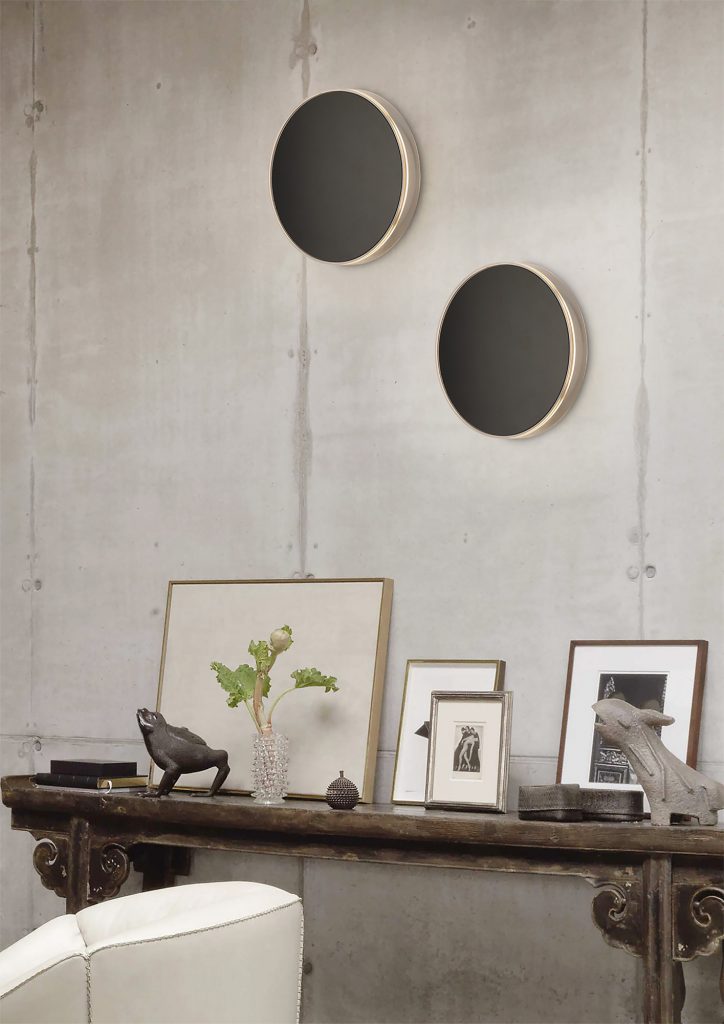
Lighting in a Brutalist space is often hidden or indirect, coming from concealed sources and this can be a great way to soften what would otherwise be a harsh looking space. Therefore when choosing lighting for a purist brutalist space, go for recessed lighting options, or fittings made of raw materials which conceal the bulb, resulting in a dynamic and dramatic lighting scheme, easily achieved for example with Brutalist wall lights. However, due to how paired back the style is, Brutalism is a flexible aesthetic to work with and can look incredible when softened by organic shapes and soft materials or highlighted by equally harsh industrial style lighting.

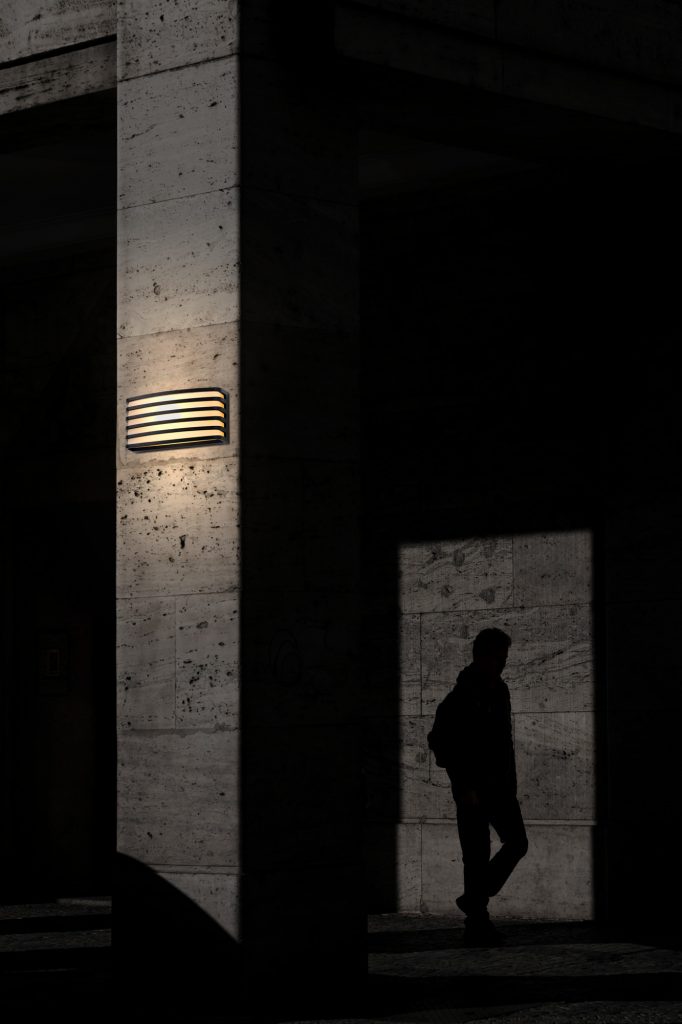
Ultimately the joy of midcentury period lighting designs is that they are still so relevant to contemporary interior designs and trends and due to their aesthetic simplicity, and are incredibly easy to incorporate into a space among other styles, instantly adding sophistication. They are longlasting styles which translate beautifully through lights.

This blog is part of a series exploring iconic 20th century lighting styles and how you can easily incorporate them into contemporary spaces. Explore more below: