

This can be a hard question to answer, as there are so many different lighting options and designs out there, but by addressing a few key criteria you can start to hone in on a specific type and style of light making your research more relevant and tailored.
Obviously, there are choices to be made on the type of room you are looking to buy for (for example you wouldn’t want luxury silk shades to place over the hob!) but there are similar principles to consider whilst searching for the perfect light.
Never before have we been presented with so many trends and styles. It is key to work with the style that you have chosen in your room; that said, there are many options available with a ‘hint’ of a trend which can give you the look and feel that you are after without sticking out like a sore thumb.

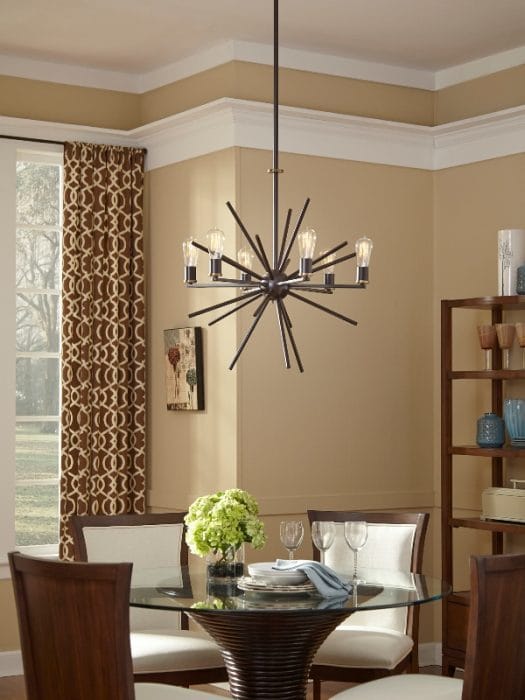
Carnegie Pendant – Steampunk Trend
If you are looking to change the trend of your room entirely, you can do so with relative ease by selecting a few key items to update. For example, you can paint or paper the walls and consider changing or adding cushions, rugs and throws to fit in with your new scheme leaving the more expensive items and furniture in situ.
It is important to consider where your lights are going to go and what sort of lighting you will need. There are three main types of lighting:
- Ambient Lighting which is the main lighting of the room, designed to give wide reaching illumination. These can include ceiling pendants, chandeliers, wall lights and sconces.

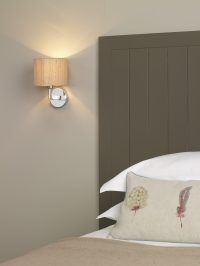
Ferrara Wall Light
- Task Lighting which is designed to help illuminate areas of activity in the room. Table lamps, under-cabinet lights and vanity lights are all great examples of this type of lighting.

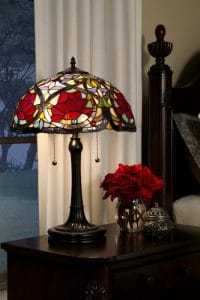
Larissa Table Lamp
- Accent Lighting which include linear LED lights in pelmets, concealed cabinet lights, picture lights or even a table lamp which you use to accent key points of focus or architectural features within the room.

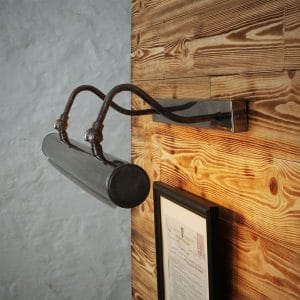
Dublin Picture Light Antique Brass
When all three are used in conjunction, it can create a really balanced and considered ambience which is stunning.
Position
Let’s face it, we will always prefer the easiest solution possible, so when planning your lighting, consider where your plugs and ceiling rose(s) are currently located. Do you think this will work for your new lighting requirements? If not, it’s best to plan it all out and call in an electrician to get this sorted for you – it’s worth getting this correct as it will pay dividends once your gorgeous new lights are in!
Measurements
One of the most common mistakes when planning the lighting, is to decide on a light without getting the tape measure out. Too small and the impact and light emissions will simper in the background, too large and you run the risk of overpowering everything else in the room making it appear much smaller than it is (and we all know – size matters!).
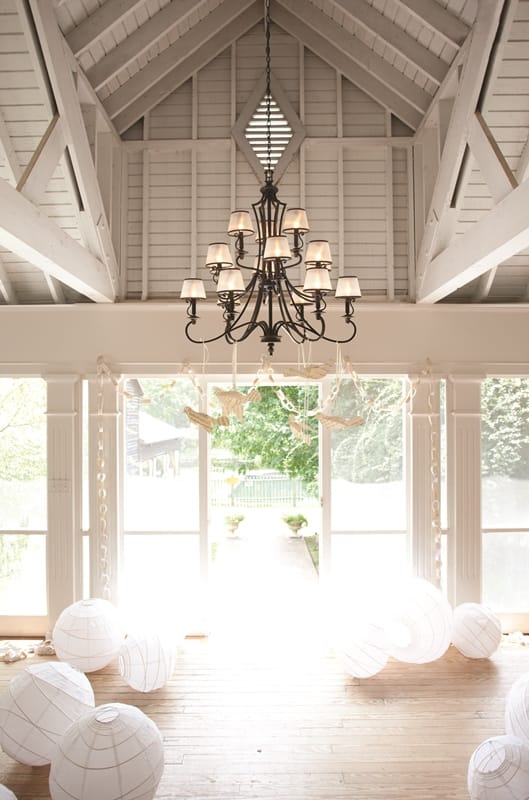

Of course, this is entirely down to the overall design of the light and your own personal preference, but as a general rule of thumb, the following can help you choose the best options for a ceiling pendant. In feet and inches, measure the width of the room and multiply it by two. This number as an inch measurement is approximately the diameter of the ceiling light you should be aiming for. For example, a 15-foot-wide room would suit a pendant diameter of 30 inches.
Also, it is key to identify the height you would like to hang them – the closer to the ceiling you will create more wide reaching light and closer to the floor ensures a more direct light. The latter option can create a cosier feel over dining tables or kitchen islands. It can also put a tick in the box for both ambient and task lighting in the same light!
For lamps, the current trend is the larger the better, but ensure you measure the table that it will be sitting on – we don’t want any toppling over!
Natural Light
During the Summertime, we all know that we can’t rely on the weather, but one thing we can rely on is longer days and therefore it is worth considering which areas of your room this natural light reaches. Consider placing wall lights, sconces or table lamps in the darker corners to help supplement this light on those rainy days.
Mirrors
We are all well used to the use of mirrors in our homes, so I don’t need to teach you to suck eggs here, but there are some lesser known clever tricks to make the most of the light in your room, be it from the sun or a bulb.
- Mirrored splashback in your kitchen – A subtle effect which is extremely attractive as well as practical, this really helps to brighten the room, especially when teamed with under cabinet lights. It is better utilised in an uncluttered kitchen and one with antiqued glass may help hide the inevitable splashes…
- Custom Sized Mantel Mirror – go as large as you dare as this is a great way to add light to the room. Frame-less mirrors look great used here and it will also reflect your ambient lighting on those cosy, darker evenings.
- Placing a mirror in between two windows – If you are lucky enough to have 2 adjacent windows in your home, the addition of one of a similar shape and size can give the illusion of an extra window and helps to further distribute the light.
- Ornate mirrors as a backdrop to table lamps – choose a mirror which works with the style of your room and place against the wall behind your table lamp. Not only does this look effective, you double the light from your bulb without parting with any additional pennies!! Consider the size here though, as ideally you want the whole lamp to be displayed in the mirror to ensure it doesn’t look accidental.
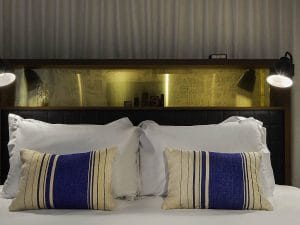

If you already have enough mirrors in your room, you can always consider other reflective materials and fabrics which will add to the distribution of light. Hotels are advocates of this technique and it really helps to add some drama and opulence to the room.
Budget
Whether restricted or not, this will play a huge part in your decision making process. We all start with a figure in mind and tend to stick to it (or within 20% if we find a real bargain!). It is also worth considering the bulbs that are compatible with the light as it can make a huge difference to your running costs. Many lights are compatible with the energy saviour that is the LED (light emitting diode) bulb which can save up to 88% per bulb on your electricity bill whilst lasting up to 20 years!
Bulbs

Vintage Edison Filament Bulb
Without them, there would be little point in having lights, yet these little fellows are often overlooked – after all, they’re all the same aren’t they? We’ve all been guilty of buying bulbs simply because we know they’ll fit rather than on any other merit. However, armed with a little knowledge, you can greatly alter the effect of the lighting all around your home.
You will all know that the higher the wattage, the brighter the light but there is also another choice to make, which is temperature. This is measured in units called Kelvin (sometimes abbreviated to K) and is generally included on the information on the packaging. The scale will usually range from around 2,700K which is the softest light to 7,000K which emits an almost blue-white cool light. The addition of this can have a dramatic impact on your lighting and will ensure your overall lighting plan looks perfect.
A current trend you will see is where bulbs are part of the theatre of the light and are left on show. There are some really attractive bulbs which really suit this style of lighting, for example the Vintage Edison Filament style bulbs – there are loads you can choose from to best suit your needs.
Well, I hope you have enjoyed reading this and that it has, at the very least, given you an idea of how to start planning your lights. Enjoy your shopping!